Educating Bartenders Worldwide.
By Beverage Trade Network
Tequila was already winning before flavoured expressions entered the conversation. Over the past decade, the category has outpaced almost every other spirit segment in sustained growth, driven by premiumisation, cultural cachet, and a consumer base that shifted dramatically from treating tequila as a shot to treating it as a sipping spirit. But something more specific is now happening within that trajectory, and it has direct implications for how bar programmes are built and how cocktail menus perform.
Flavoured tequila has long shifted from the realms of a novelty sub-category to becoming a strategic one.
Veterans of the spirits industry know that the scale of tequila's growth is not in question. The global market, valued at just under $10 billion in 2022, is projected by multiple industry analyses to surpass $24 billion by 2029, representing an annual growth rate of between 9 and 12%. DISCUS data places U.S. tequila volumes at 294% higher than 2003 levels, growing at an average of 7.1% per year. What is newer — and more immediately relevant to on-trade operators — is where within the tequila category the most active consumer engagement is happening. Millennials and Gen Z are driving exploration of flavour-forward expressions, approaching tequila with the same curiosity they bring to craft beer, natural wine, and artisan food. They want spirits that are premium but accessible, rooted in authenticity but open to experimentation. Flavoured tequilas sit precisely at that intersection.
For bar managers and bartenders building inclusive menus, flavoured tequila solves a problem that standard agave expressions can create. The intensity and edge of an unfamiliar blanco can be a barrier for newer spirits drinkers, not because the quality isn't there, but because the entry point demands some prior experience. Flavoured expressions lower that threshold without sacrificing the category's premium positioning.
This is distinct from what happened with flavoured vodka a decade ago, where accessibility came at the cost of quality, achieved through artificial sweeteners, synthetic essences, and production shortcuts that eroded consumer trust over time. The craft-led wave of flavoured tequila is operating from a different premise entirely: natural infusions, culinary-grade flavour development, and a transparency about ingredients and process that today's consumer actively expects.
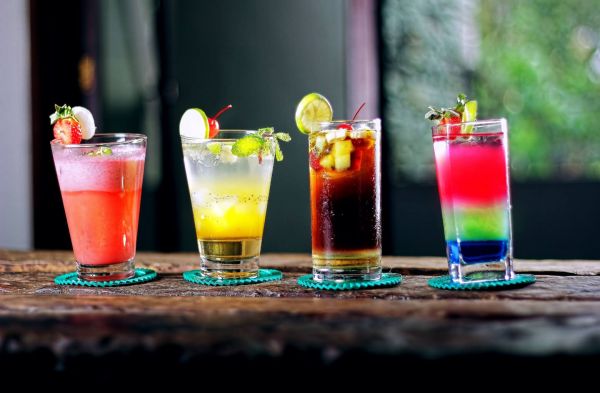
The result is a spirit that works across multiple occasions and formats. Sipped neat or on ice for the guest who wants something smooth and approachable. Deployed as a cocktail base with minimal additional ingredients for the bartender who values efficiency without sacrificing flavour complexity. Mixed into longer serves for the table looking for something sessionable and visually compelling.
There is another commercial signal worth noting. The global RTD market is expanding rapidly, and flavoured tequila occupies a natural position within that growth story. The flavour profiles, the smoothness, and the lower perceived intensity of well-crafted infused expressions translate directly into canned cocktail formats — and the consumer overlap between RTD buyers and flavoured spirits drinkers is significant. For on-trade operators, this means flavoured tequila carries built-in brand familiarity from the off-trade, reducing the barrier to first trial on-premise.
The flavoured tequilas gaining most traction with discerning trade buyers are not the ones leaning hardest on sweetness or novelty. They are the ones with a demonstrable production story, where the flavour development reflects genuine culinary thinking rather than category opportunism.
Red Cadillac's mango tequila is a precise example of this. Born from a multi-generational family tradition that stretches from a century-old Galician liqueur recipe to a New Jersey restaurant kitchen, the expression was refined over five years and more than 100 iterations before reaching its final balance of natural mango, smooth agave body and subtle caramel finish. The base spirit is sourced from Casa Maestri, one of Mexico's most decorated distilleries. The infusion process draws on a partnership with Laird's Applejack, America's oldest distiller, bringing centuries of infusion expertise to the final blend.
That depth of provenance is not incidental. It is what separates a flavoured tequila that earns a permanent place on a cocktail menu from one that cycles out after a season.
For bar and restaurant operators making portfolio decisions right now, the question is no longer whether flavoured tequila belongs on the menu. It is which expressions are worth the listing. The answer, consistently, points toward brands where the flavour is earned rather than added. Where the story is real, the production is intentional, and the liquid can hold its own both in a glass and in conversation. That combination is exactly what the category's best new entrants are delivering. The menus that recognise it early will be the ones guests remember.
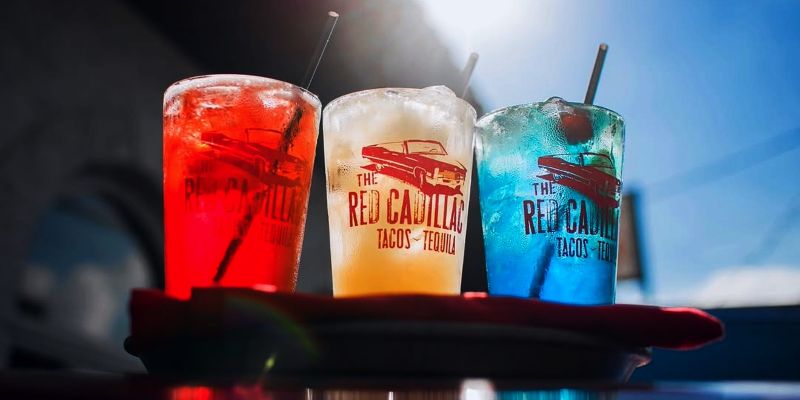
Header image sourced from Red Cadillac (Instagram).