Educating Bartenders Worldwide.
By Beverage Trade Network
For years, cocktail culture rewarded spectacle: louder flavors, longer ingredient lists, and drinks designed to impress before they were tasted. But spend time behind two very different bars—one inspired by Taishō-era Japan in San Diego, the other rooted in seasonality and sustainability in San Francisco—and a quieter truth emerges.
The next era of mixology isn’t about excess. It’s about intention.
Across the U.S., bartenders are rethinking how drinks are built, how menus flow, and what guests actually want from a night out. From low-proof programming to ingredient transparency, the common thread is thoughtful restraint.
One of the clearest shifts in modern cocktail programs is that familiarity is no longer the enemy of creativity. At Bar Kamon, a Japanese-inspired cocktail lounge in San Diego’s East Village, the most ordered drink of the year wasn’t driven by spectacle or shock value. It was a banana cocktail.
“Banana can be a polarizing flavor, especially in cocktails,” says Brett Grimsman, bartender and general manager at Bar Kamon. “Many guests associate it with artificial banana liqueurs and that exaggerated, candy-like note.”
Instead of leaning into novelty, the drink takes a restrained approach, using real banana handled gently to keep the flavor soft and natural. The result is a cocktail that feels comforting rather than challenging. “Once guests try it, it tends to disarm that initial skepticism and welcome them into the menu,” Grimsman explains. “It sets a calm, considered tone for the rest of the experience.”
Low-proof, zero-proof, and zebra-striping cocktails have moved beyond trend status. They’re actively reshaping guest behavior. “I think people used to rely on drinking heavily to feel confident, socialize, or unwind,” says Grimsman. “Now guests feel more comfortable enjoying the bar experience without needing to overconsume.”
Rather than treating low-ABV drinks as an afterthought, the most progressive programs design them with the same level of care as full-strength cocktails.
“We don’t see low- or no-ABV drinks as a compromise,” Grimsman says. “They’re built with the same intention—balance, texture, and how the drink fits into the flow of an evening.”
This shift changes the rhythm of the room. Guests pace themselves differently, stay longer, and choose drinks based on how they want to feel rather than what they think they should order.
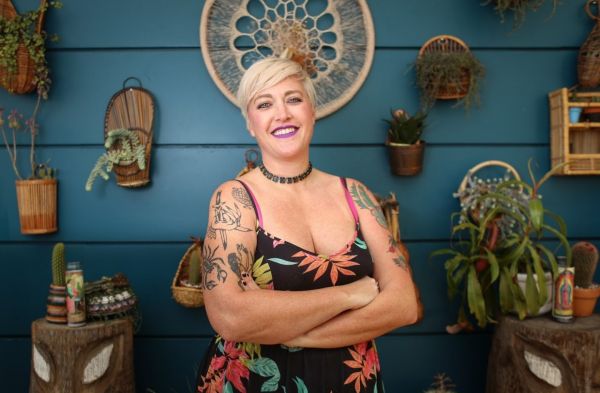
At True Laurel in San Francisco, that same mindset is reflected in guest expectations. “We’re in the midst of a cultural shift in drinking habits,” says Tone Arasa, lead bartender and prep lead at the True Laurel. “Having sessionable non-alcoholic options that are interesting keeps people conscious of their consumption for longer hangs with friends.”
Seasonality has become one of the most effective ways for bars to communicate values without saying a word. At True Laurel, one of the most requested cocktails year-round features grapefruit—an ingredient many guests assume is synonymous with summer. In California, however, grapefruit is a winter fruit.
“That conversation always opens the door to explaining seasonality and how we use the whole ingredient,” Arasa says. “It’s the perfect way to share our ethos in a few words and make a big impression.”
For bartenders, this approach turns a single drink into a teaching moment—one rooted in curiosity rather than correction. It also reinforces smarter prep, reduced waste, and menus that evolve naturally with the land. “Sustainability isn’t just a value—it’s a central ingredient in every drink I make,” Arasa adds.
As consumers become more educated, authenticity has become a defining expectation—but also a potential pitfall. “For us, authenticity isn’t about replicating Japanese bartending or claiming authority over it,” Grimsman says. “Respect comes from understanding, not assumption.” At Bar Kamon, that philosophy is guided by omotenashi—a hospitality principle rooted in care, attentiveness, and precision, paired with continuous learning and team investment. Ultimately, authenticity shows up less in aesthetics and more in behavior.
“When omotenashi leads and the team is genuinely invested, the experience stays aligned even as the menu evolves,” Grimsman explains.
Arasa echoes that sentiment when it comes to identity and storytelling behind the bar. “Every drink doesn’t need a story,” Arasa says. “But if someone has a connection to their drink, give them the soapbox.”
Rather than chasing trends, many bartenders are gravitating toward spirits that align with moderation and versatility.
“I hope it’s shōchū,” says Grimsman. “Once guests understand how it drinks, curiosity builds quickly. It’s balanced, expressive, and easier to enjoy over the course of an evening.” Fermentation-driven spirits, kōji-influenced whiskies, and collaborative bar–kitchen techniques are also gaining quiet momentum—depth driven by process rather than power.
Neither bartender is interested in predicting trends. Instead, both point to commitment and clarity as the qualities that last. “Bars that commit fully to who they are tend to age better than those chasing what’s new,” Grimsman says.
Arasa sees the same future shaped by transparency and intention. “With rising cocktail prices, guests want to know what’s in their glass,” she says. “Transparency around sourcing and quality is becoming part of the experience.”
The throughline is clear: fewer but better drinks, sustainability as standard practice, and experiences designed for pacing—not volume. “I’d rather have two great drinks than ten forgettable ones,” Grimsman reflects.
In an industry once driven by doing more, the future belongs to bartenders who know when to do less. And do it exceptionally well.
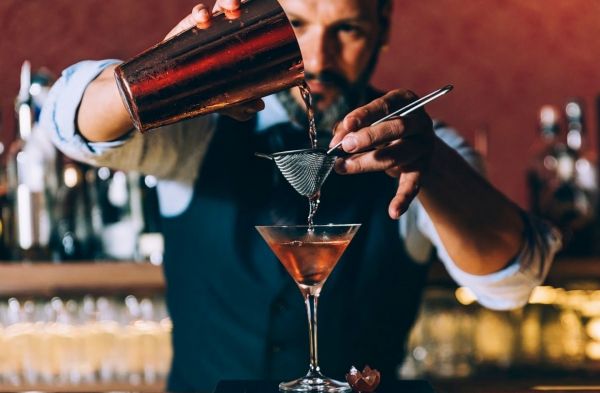
Header image sourced from Adobe Express.